经济学人:巨额IPO是公开市场面临巨额问题的征兆 Giga-IPOs are a symptom of public markets’ giga-problem
文章导读:
这篇文章指出,美国股票市场看似屡创新高,但上市公司数量却在持续减少,IPO 变得越来越少、公司也越来越晚才上市。虽然 SpaceX、OpenAI、Anthropic 这类“超大 IPO”即将登场,看起来很热闹,但作者认为它们并不能解决公募市场萎缩的问题,反而说明优质公司更倾向留在私募市场,普通投资者越来越难分享早期成长红利。
重点单词:
- symptom
- shrink
- initial
- attrition
- dynamism
- imminent
- flotation
- valuation
- capitalisation
/ˌkæpɪtəlaɪˈzeɪʃən/ n. 市值;资本化
- outperform
- broader
- outlier
- dud
巨额IPO是公开市场面临巨额问题的征兆
Giga-IPOs are a symptom of public markets’ giga-problem
The incredible shrinking stockmarket
AMERICAN STOCK indices’ record highs mask a problem: getting firms to list is getting harder. The number of initial public offerings (IPOs) fell from an annual average of over 400 in the 1990s to 115 in the past decade. This plus attrition and more firms going private has reduced the ranks of public companies in America from a peak of 8,000 in 1996 to 3,900 last year. Jamie Dimon, boss of JPMorgan Chase and Wall Street wise man, would like to see 15,000 or more. If companies steer clear of public markets, as so many now choose to, ordinary investors miss out on their dynamism.
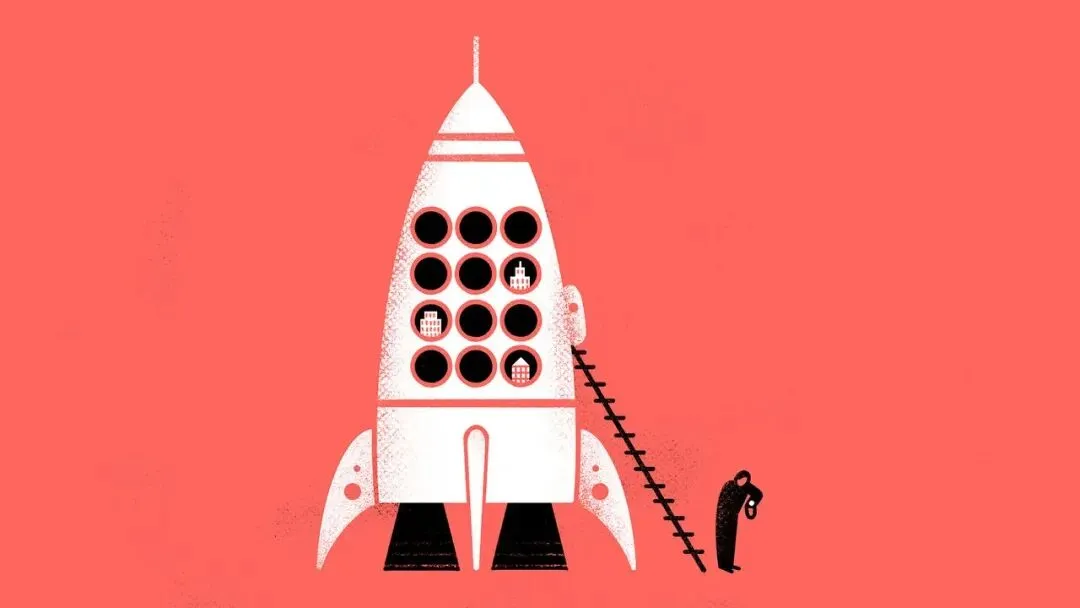 Could the imminent listings by some of the world’s buzziest firms provide a fix? SpaceX, Elon Musk’s rocket-to-server-racks conglomerate, has just filed the paperwork to raise perhaps $75bn in June. OpenAI and Anthropic, two leading AI labs, are preparing the ground for their own mammoth flotations. Before long all three will enter stockmarket indices and, thanks to tracker funds, the stock portfolios of the investing everyman. Yet for all the excitement it is generating, the coming IPO bonanza is not a solution to stockmarket shrinkage. It is a symptom of it.
Consider just how unusual the giga-trio are. Although many firms claim to be at the forefront of the AI revolution, the stockmarket’s propellant these days, Anthropic, OpenAI and SpaceX can say it with a straight face. As a result, no other potential IPO comes close in terms of size. They are eyeing a combined market capitalisation near $4trn. Their latest private valuations already make them the eighth-, 14th- and 15th-largest firms in America by value. The next three biggest startups—Databricks (in analytics), Stripe (digital payments) and Anduril (military drones)—are together worth less than $400bn.
The heft of Anthropic, OpenAI and SpaceX becomes a problem for index investors, who rely on a few outperformers to carry the stockmarket with them. According to a database of American IPOs maintained by Jay Ritter of the University of Florida, most IPOs are duds. In 30 of the years between 1980 and 2022 the typical newly listed firm underperformed the broader market in terms of three-year returns, often badly. The only reason investors with broad exposure to the market have made any money is because the success of a few outliers outshines the failure of the many disappointments.
As firms list later and at larger valuations, these outliers are rarer. Fully 48 startups which listed between 1990 and 1998—nearly 4% of the total—generated a five-year return of 1,000% or more from their IPO price (most did so before the dotcom bubble). Only 13 of those listed since 2012 pulled it off. Amazon, which went public in 1997, has increased its share price by over 26,000% since then. Nvidia, which listed two years later, has soared by 525,000%. If SpaceX went public at its target valuation of $1.75trn, its market capitalisation would need to exceed $470trn to offer the same return as Amazon, more than six times the current value of all American stocks, and nine quadrillion dollars to match Nvidia.
Some smaller firms will doubtless attempt to ride on the coattails of the giga-IPOs to their own listings in a buoyant stockmarket. America’s Securities and Exchange Commission, which regulates the industry, hopes to “make IPOs great again”, for instance by relaxing regulatory disclosures for newly public companies and allowing firms to report earnings every six months rather than every three.
Yet this is unlikely to diminish the appeal of private life. In the 1990s tech startups tended to list at the age of eight. In recent years this has risen to 11, as the explosion in venture capital (VC) has let founders avoid the scrutiny of public markets for longer. OpenAI turns 11 this year; at 24, SpaceX looks geriatric for a stockmarket newbie. This is unlikely to change so long as VC remains plentiful and secondary markets in private shares make it ever easier for early investors and employees to turn their stakes into cash without the need for an IPO. PitchBook, a data provider, estimates that secondary deals for VC-funded firms nearly doubled in the first quarter of 2026, to $112bn, and for the first time outstripped money raised in IPOs.
Perhaps in the brave new AI world a few gargantuan winners are all that matters. If their valuations swell to quadrillions of dollars, public-market investors could still partake in America’s dynamism. Anything short of that, however, will leave much of the upside out of reach in private markets. ■
Could the imminent listings by some of the world’s buzziest firms provide a fix? SpaceX, Elon Musk’s rocket-to-server-racks conglomerate, has just filed the paperwork to raise perhaps $75bn in June. OpenAI and Anthropic, two leading AI labs, are preparing the ground for their own mammoth flotations. Before long all three will enter stockmarket indices and, thanks to tracker funds, the stock portfolios of the investing everyman. Yet for all the excitement it is generating, the coming IPO bonanza is not a solution to stockmarket shrinkage. It is a symptom of it.
Consider just how unusual the giga-trio are. Although many firms claim to be at the forefront of the AI revolution, the stockmarket’s propellant these days, Anthropic, OpenAI and SpaceX can say it with a straight face. As a result, no other potential IPO comes close in terms of size. They are eyeing a combined market capitalisation near $4trn. Their latest private valuations already make them the eighth-, 14th- and 15th-largest firms in America by value. The next three biggest startups—Databricks (in analytics), Stripe (digital payments) and Anduril (military drones)—are together worth less than $400bn.
The heft of Anthropic, OpenAI and SpaceX becomes a problem for index investors, who rely on a few outperformers to carry the stockmarket with them. According to a database of American IPOs maintained by Jay Ritter of the University of Florida, most IPOs are duds. In 30 of the years between 1980 and 2022 the typical newly listed firm underperformed the broader market in terms of three-year returns, often badly. The only reason investors with broad exposure to the market have made any money is because the success of a few outliers outshines the failure of the many disappointments.
As firms list later and at larger valuations, these outliers are rarer. Fully 48 startups which listed between 1990 and 1998—nearly 4% of the total—generated a five-year return of 1,000% or more from their IPO price (most did so before the dotcom bubble). Only 13 of those listed since 2012 pulled it off. Amazon, which went public in 1997, has increased its share price by over 26,000% since then. Nvidia, which listed two years later, has soared by 525,000%. If SpaceX went public at its target valuation of $1.75trn, its market capitalisation would need to exceed $470trn to offer the same return as Amazon, more than six times the current value of all American stocks, and nine quadrillion dollars to match Nvidia.
Some smaller firms will doubtless attempt to ride on the coattails of the giga-IPOs to their own listings in a buoyant stockmarket. America’s Securities and Exchange Commission, which regulates the industry, hopes to “make IPOs great again”, for instance by relaxing regulatory disclosures for newly public companies and allowing firms to report earnings every six months rather than every three.
Yet this is unlikely to diminish the appeal of private life. In the 1990s tech startups tended to list at the age of eight. In recent years this has risen to 11, as the explosion in venture capital (VC) has let founders avoid the scrutiny of public markets for longer. OpenAI turns 11 this year; at 24, SpaceX looks geriatric for a stockmarket newbie. This is unlikely to change so long as VC remains plentiful and secondary markets in private shares make it ever easier for early investors and employees to turn their stakes into cash without the need for an IPO. PitchBook, a data provider, estimates that secondary deals for VC-funded firms nearly doubled in the first quarter of 2026, to $112bn, and for the first time outstripped money raised in IPOs.
Perhaps in the brave new AI world a few gargantuan winners are all that matters. If their valuations swell to quadrillions of dollars, public-market investors could still partake in America’s dynamism. Anything short of that, however, will leave much of the upside out of reach in private markets. ■