汉盛法评 | 南非酒精饮料市场及法律研究:变革中的机遇

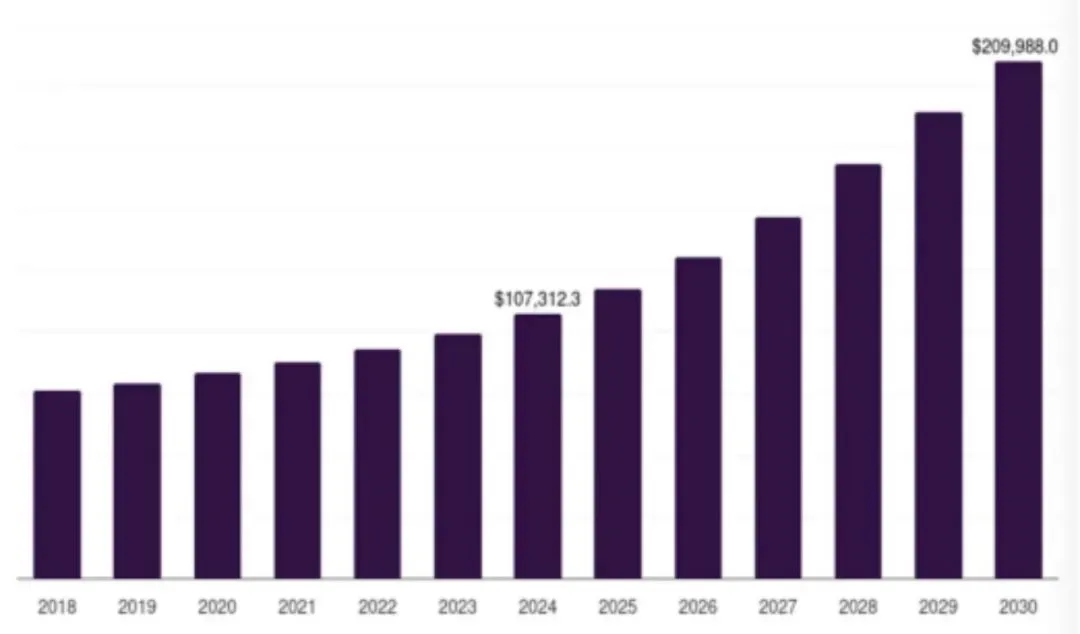
近年来,南非酒精饮料行业增长强劲,表现远超大部分泛消费品领域。目前市场估值已超过1亿美元,并在行业整合、城市化进程加速、中产阶级收入提升及对高端产品需求增长等多重因素驱动下,经历着深刻变革。
从成熟的啤酒与葡萄酒板块,到快速扩张的即饮饮品(RTD)与烈酒品类,不断变化的消费者偏好正重塑市场竞争格局。战略收购与生活方式的转变持续加速这一进程。预计2024至2030年间,南非市场年复合增长率(CAGR)将达11.3%,到2030年市场规模预计将突破1.74亿美元。本文将深入探讨塑造南非酒精饮料行业的关键趋势,并对这一非洲最具活力、快速演进的饮料市场未来消费图景提供洞见。
一、市场概况及特点:
1.1 市场概况:据Grand View Research提供的数据及预测,南非酒精饮料行业逐年增长。
1.2 市场特点
第一,人口结构变迁与消费者偏好转移,中产阶级壮大与城市化进程加快。南非中产阶级的扩张,尤其是在主要城市中心,对酒精饮料行业的增长贡献显著。这一人口结构变化带来了对高端酒精饮品需求的提升,因为中产阶级消费者更看重社会地位与全球潮流。在约翰内斯堡和开普敦等主要城市,消费者日益追求高端饮酒体验,这一趋势尤为明显。
第二,可持续发展与品质追求。消费者在选择酒精饮品时,越来越重视可持续性、品质与道德生产。这一趋势使得本地精酿品牌以及践行环保、支持社区实践的饮品受到市场青睐。
第三,即饮饮品(RTD)的爆发式增长。尽管啤酒仍是南非酒精饮料市场的主导力量,即饮饮品(RTD)近年来实现了爆发式增长,尤其受到偏爱预调鸡尾酒便利性的年轻消费者追捧。这一趋势带动了适于社交畅饮的RTD品类消费激增,其中硬苏打水已成为该品类中利润最为丰厚的细分市场。随着南非酒精饮料市场持续演进,行业参与者面临着挑战与机遇并存的局面。中产阶级崛起、消费者偏好转变以及持续的战略收购,正重塑竞争格局。烈酒和即饮饮品(RTD)正快速赢得市场动能。
二、南非酒精饮料市场的未来展望
南非酒精饮料行业的未来既面临挑战,也蕴含机遇。经济不确定性仍是重要影响因素,高通胀率持续挤压消费者购买力。这一经济背景促使消费者转向更实惠的品牌,影响了生产商的利润空间。
消费税上调也是行业持续关注的问题,可能进一步压缩利润率并影响消费者行为。然而,市场展现出韧性,预计未来几年将保持稳定增长。
三、行业观察:喜力收购Distell案
南非酒精饮料行业正经历重大变革,主要巨头竞逐主导地位。目前,三家外资企业——帝亚吉欧、南非啤酒集团(SAB)和喜力——约占市场总价值的85%。喜力近期以24亿美元收购Distell集团控股公司,进一步加剧了市场集中度。
这一整合趋势可能对南非酒精饮料行业产生深远影响。虽然可能带来效率提升和潜在的消费者价格下降,但也引发了关于市场竞争的担忧。随着行业格局演变,本地小型生产商在与这些跨国巨头的竞争中可能面临挑战。然而,这一转变也可能激发创新和利基市场发展,促使小型业者寻求在日益集中的市场中实现差异化。
要想保持领先,成功的生产商需在风味与包装上不断创新,以满足不断变化的口味需求。尽管经济不确定性持续存在,但整体发展轨迹指向增长。行业整合的加剧可能进一步改变竞争态势,为新的合作伙伴关系与效率提升打开大门。通过紧跟这些趋势,企业将能更好地把握南非酒精饮料行业这一转型时代带来的机遇。
四、法律合规现状及建议
在南非酒精饮料市场蓬勃发展的背后,完善且多层次的法律法规体系正构筑起行业运作的基本轨道。对于希望进入或拓展南非市场的企业而言,深入理解其独特的监管生态,是实现长期稳健经营的首要前提。
4.1 双层法律架构:国家与省级协同监管
南非的酒精饮料监管采用国家与省级政府分权协作的框架。在国家层面依据《国家酒类法案》,主要负责制造、批发及进口环节的许可与监管。国家酒类管理局是核心执行机构;在省级层面,各省依据自有《省级酒类法案》,主导零售环节(包括酒吧、餐馆、超市等)的许可证签发与管理。各省酒类委员会是关键职能部门。此架构要求企业必须同时满足国家与所在省份的具体规定,合规路径需双向贯通。
4.2 核心监管领域与关键法规
许可制度,任何涉及酒精饮料的生产、分销、零售活动都必须获得相应许可证。申请程序复杂,需提前规划;营业时间限制,各省对酒精销售的每日及周末营业时间有严格规定,节假日期间常有特殊限制,违规处罚严厉;广告与营销准则,行业受《广告监管委员会》章程及酒类饮品联合会等行业自律准则严格约束。所有广告不得鼓励过度饮酒,必须避免面向未成年人,并强调理性饮酒信息;产品质量与标签,《酒类产品法案》对各类酒精饮料的成分、品质及标签标识制定了国家标准,确保产品信息真实、保护消费者权益;年龄限制,全国统一规定,购买及饮用酒精饮料的最低年龄为18周岁,销售方负有查验身份的法律责任。
4.3 监管核心目标:平衡发展与责任
南非酒精法规体系旨在实现三大社会目标:首先是消费者保护:通过质量标准和信息透明保障安全与知情权;其次是行业规范与统一,建立公平竞争的市场环境;最后是社会责任,即减少酒精滥用对社区健康的负面影响,倡导负责任的消费文化。
五、给市场参与者的建议
在动态增长的市场中,法律合规并非束缚,而是企业规避风险、建立声誉、实现可持续增长的基石。我们建议企业:第一,准入前尽职调查,即全面评估目标省份的具体法规要求。第二,重视许可申请:预留充足时间与资源,应对可能冗长的审批流程。第三,构建内部合规文化:确保从营销到销售各个环节符合法规与道德准则。第四,寻求专业支持:与熟悉当地法律与实践的专业机构合作,有效导航复杂监管环境。
汉盛非洲中心凭借对南非市场的深入洞察与本地网络,可为客户提供有关法规合规、市场准入策略及合作伙伴对接的专业支持,助力您的业务在南非市场行稳致远。
In recent years,South Africa’s alcoholic beverage industry has shown robust growth, significantly outperforming most fast-moving consumer goods sectors. Currently valued at over USD 1 billion, the market is undergoing profound transformation driven by industry consolidation, accelerating urbanization, rising middle-class incomes, and increasing demand for premium products.
From mature beer and wine segments to rapidly expanding ready-to-drink (RTD) and spirits categories, shifting consumer preferences are reshaping the competitive landscape. Strategic acquisitions and evolving lifestyles continue to accelerate this process. The South African market is projected to grow at a compound annual growth rate (CAGR) of 11.3% from 2024 to 2030, with its size expected to exceed USD 1.74 billion by 2030. This article delves into the key trends shaping South Africa’s alcoholic beverage industry and offers insights into the future consumption patterns of this dynamic and rapidly evolving African market.
1. Market Overview and Characteristics
1.1 Market Overview
According to available data and forecasts, South Africa’s alcoholic beverage market is increasing year by year.
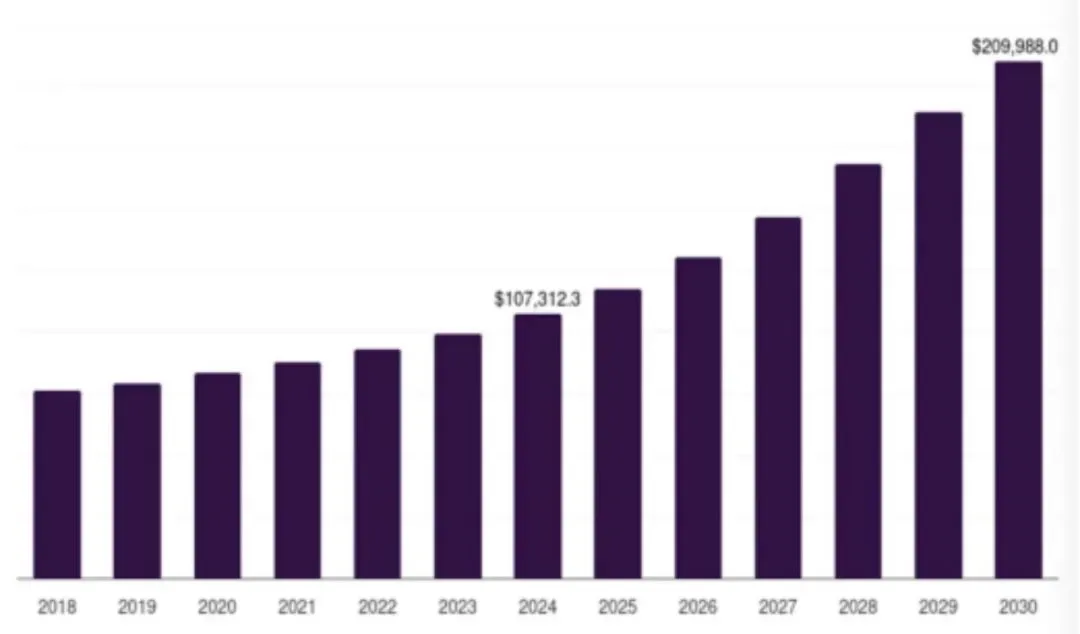
Source: Grand View Research (Unit: USD million)
1.2 Market Characteristics
Firstly, Demographic Shifts and Changing Consumer Preferences. The expansion of South Africa’s middle class, particularly in major urban centers, has significantly contributed to the growth of the alcoholic beverage industry. This demographic shift has increased demand for premium alcoholic beverages, as middle-class consumers place greater emphasis on social status and global trends. In major cities such as Johannesburg and Cape Town, the pursuit of high-end drinking experiences has become increasingly prominent.
Secondly, Sustainability and Quality Pursuits.Consumers are increasingly prioritizing sustainability, quality, and ethical production when selecting alcoholic beverages. This trend has favored local craft brands and products that emphasize environmental responsibility and community support.
Thirdly, Explosive Growth of Ready-to-Drink (RTD) Beverages. While beer remains the dominant force in South Africa’s alcoholic beverage market, RTDs have experienced explosive growth in recent years, particularly among younger consumers who value the convenience of pre-mixed cocktails. This trend has driven a surge in the consumption of RTD categories suitable for social gatherings, with hard seltzer emerging as the most profitable segment. As the South African alcoholic beverage market continues to evolve, industry participants face both challenges and opportunities. The rise of the middle class, shifting consumer preferences, and ongoing strategic acquisitions are reshaping the competitive landscape. Spirits and RTDs are rapidly gaining momentum.
2. Future Outlook for South Africa’s Alcoholic Beverage Market
The future of South Africa’s alcoholic beverage industry presents both challenges and opportunities. Economic uncertainty remains a significant factor, with high inflation rates continuing to squeeze consumer purchasing power. This economic backdrop has prompted consumers to shift toward more affordable brands, affecting producers’ profit margins.
Increased excise taxes are another ongoing concern for the industry, potentially further compressing margins and influencing consumer behavior. However, the market has demonstrated resilience and is expected to maintain steady growth in the coming years.
3. Industry Observation: Heineken’s Acquisition of Distell
South Africa’s alcoholic beverage industry is undergoing significant transformation, with major players vying for dominance. Currently, three foreign companies—Diageo, South African Breweries (SAB), and Heineken—account for approximately 85% of the market’s total value. Heineken’s recent USD 2.4 billion acquisition of Distell Group Holdings has further intensified market concentration.
This consolidation trend could have profound implications for South Africa’s alcoholic beverage industry. While it may lead to improved efficiency and potential price reductions for consumers, it also raises concerns about market competition. As the industry landscape evolves, local small-scale producers may face challenges in competing with these multinational giants. However, this shift could also stimulate innovation and niche market development, encouraging smaller players to differentiate themselves in an increasingly concentrated market.
To stay ahead, successful producers must continuously innovate in flavors and packaging to meet evolving consumer tastes. Despite persistent economic uncertainty, the overall trajectory points toward growth. Increasing industry consolidation may further alter the competitive landscape, opening doors for new partnerships and efficiency gains. By staying attuned to these trends, businesses can better seize the opportunities presented by this exciting era of transformation in South Africa’s alcoholic beverage industry.
4. Legal Compliance Status and Recommendations
Behind the thriving South African alcoholic beverage market lies a comprehensive and multi-tiered legal and regulatory framework that shapes industry operations. For enterprises seeking to enter or expand in South Africa, a deep understanding of this unique regulatory ecosystem is a prerequisite for long-term and stable business operations.
4.1 Two-Tier Legal Framework: National and Provincial Co-Regulation
South Africa’s alcoholic beverage regulation adopts a decentralized framework involving both national and provincial governments. At the national level, the National Liquor Act governs the licensing and regulation of manufacturing, wholesale, and import activities. The National Liquor Authority is the core enforcement agency. At the provincial level, each province administers its own Provincial Liquor Act, overseeing the licensing and management of retail operations (including bars, restaurants, supermarkets, etc.). Provincial Liquor Boards are the key regulatory bodies. This structure requires businesses to comply with both national and provincial regulations, ensuring a dual-path compliance approach.
4.2 Key Regulatory Areas and Legislation
Any activity involving the production, distribution, or retail of alcoholic beverages requires appropriate licenses. The application process is complex and requires advance planning.Provinces impose strict regulations on daily and weekend trading hours for alcohol sales, with special restrictions often applied during holidays. Violations carry severe penalties.The industry is strictly governed by the Advertising Regulatory Board code and industry self-regulatory guidelines such as those from the Liquor Products Association. All advertisements must not encourage excessive drinking, must avoid targeting minors, and must emphasize responsible drinking messages.The Liquor Products Act sets national standards for the composition, quality, and labeling of alcoholic beverages, ensuring truthful product information and protecting consumer rights.Nationally, the minimum legal age for purchasing and consuming alcoholic beverages is 18 years. Sellers bear the legal responsibility to verify age.
4.3 Core Regulatory Objectives: Balancing Development and Responsibility
South Africa’s alcohol regulatory framework aims to achieve three social goals.Consumer Protection, Ensuring safety and informed choices through quality standards and transparent information; Industry Standardization and Fairness,Establishing a level playing field for market competition; Social Responsibility, Mitigating the negative impacts of alcohol abuse on community health and promoting a culture of responsible consumption.
5. Recommendations for Market Participants
In a dynamically growing market, legal compliance is not a constraint but a cornerstone for risk avoidance, reputation building, and sustainable growth. We recommend that enterprises:1) Conduct Pre-Entry Due Diligence, Thoroughly assess the specific regulatory requirements of the target province.
2)Prioritize Licensing Applications,Allocate sufficient time and resources to navigate potentially lengthy approval processes.3)Foster an Internal Compliance Culture,Ensure all operations, from marketing to sales, adhere to legal and ethical standards; 4) Seek Professional Support,Partner with specialized agencies familiar with local laws and practices to effectively navigate the complex regulatory environment.
Leveraging its deep insights into the South African market and local networks, HanshengAfrica Center offers professional support in regulatory compliance, market entry strategies, and partner connections, helping your business achieve stable and long-term success in South Africa.