油气市场动荡:中东紧张局势重塑全球能源格局(英文与翻译)
Turmoil in Oil and Gas Markets: Middle East Tensions Reshape Global Energy Landscape
油气市场动荡:中东紧张局势重塑全球能源格局
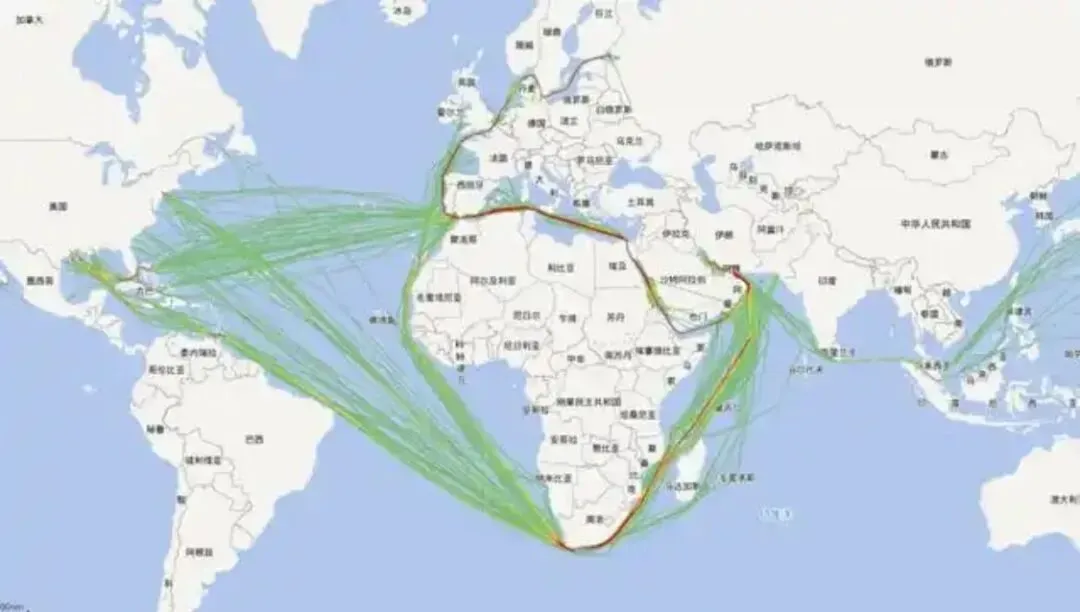
The global oil and gas markets have been thrown into disarray since late February 2026, as escalating geopolitical tensions in the Middle East, particularly conflicts involving Iran, have severely disrupted energy supply chains. The Strait of Hormuz, a critical waterway accounting for nearly one-third of the world’s oil shipments and one-fifth of LNG trade, has seen traffic plummet from 20 million barrels daily to under 4 million barrels, triggering extreme price volatility.
2026年2月底以来,全球石油天然气市场陷入混乱。中东地缘政治紧张局势升级(尤其是涉及伊朗的冲突),严重扰乱了能源供应链。霍尔木兹海峡——这条承担全球近三分之一石油海运量和五分之一液化天然气贸易的关键水道——通行量已从每日2000万桶骤降至不足400万桶,引发剧烈的价格波动。
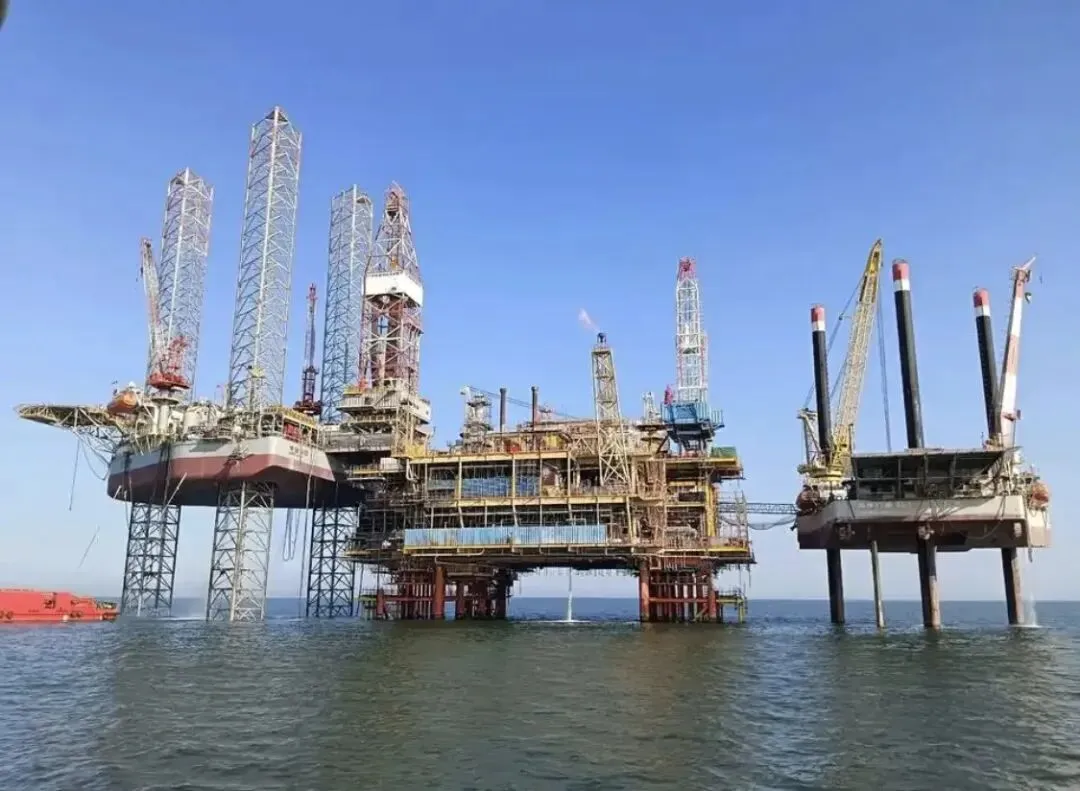
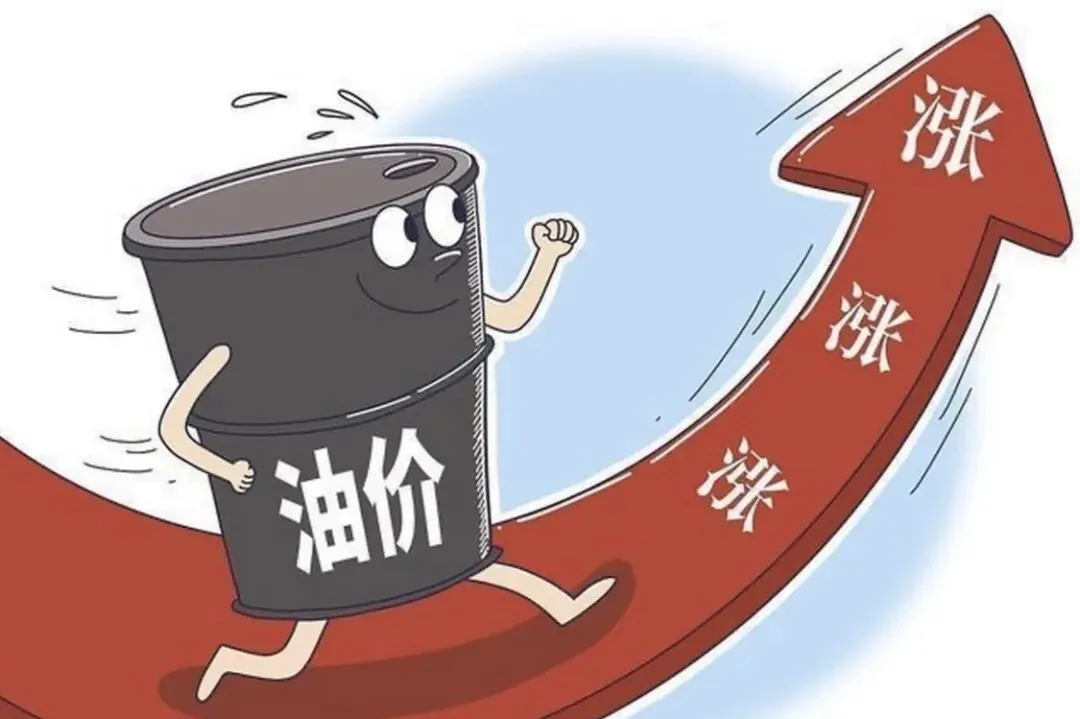
Crude oil prices have surged amid supply fears. Brent crude futures, a global benchmark, have rallied from $80 per barrel to a range of $110–$120. Natural gas markets have followed suit, with Asian LNG spot prices (JKM) jumping over 108% by mid-April compared to late February, and European TTF prices rising more than 90%. The International Energy Agency (IEA) warns the global gas supply shortage could persist beyond 2026.
出于供应担忧,原油价格大幅飙升。全球基准布伦特原油期货价格已从每桶80美元上涨至110-120美元区间。天然气市场同样震荡,截至4月中旬,亚洲液化天然气现货价格(JKM)较2月底涨幅超108%,欧洲TTF价格涨幅超90%。国际能源署(IEA)警告,全球天然气供应紧张局面或将持续至2026年后。
The Strait of Hormuz, flanked by Iran and Oman, is the lifeline of global energy security. Iran’s control over this chokepoint has made it a focal point of geopolitical rivalry. Recent military standoffs and attacks on energy infrastructure in the region have heightened risks of supply disruptions. Approximately 346 oil tankers, carrying 104 million barrels of crude and condensate, remain stranded in the Persian Gulf, exacerbating market anxiety.
霍尔木兹海峡位于伊朗与阿曼之间,是全球能源安全的“生命线”。伊朗对这一咽喉要道的掌控,使其成为地缘政治博弈的焦点。近期该地区的军事对峙及对能源设施的袭击,加剧了供应中断风险。约346艘油轮(载有1.04亿桶原油及凝析油)仍被困在波斯湾,进一步加剧了市场焦虑。
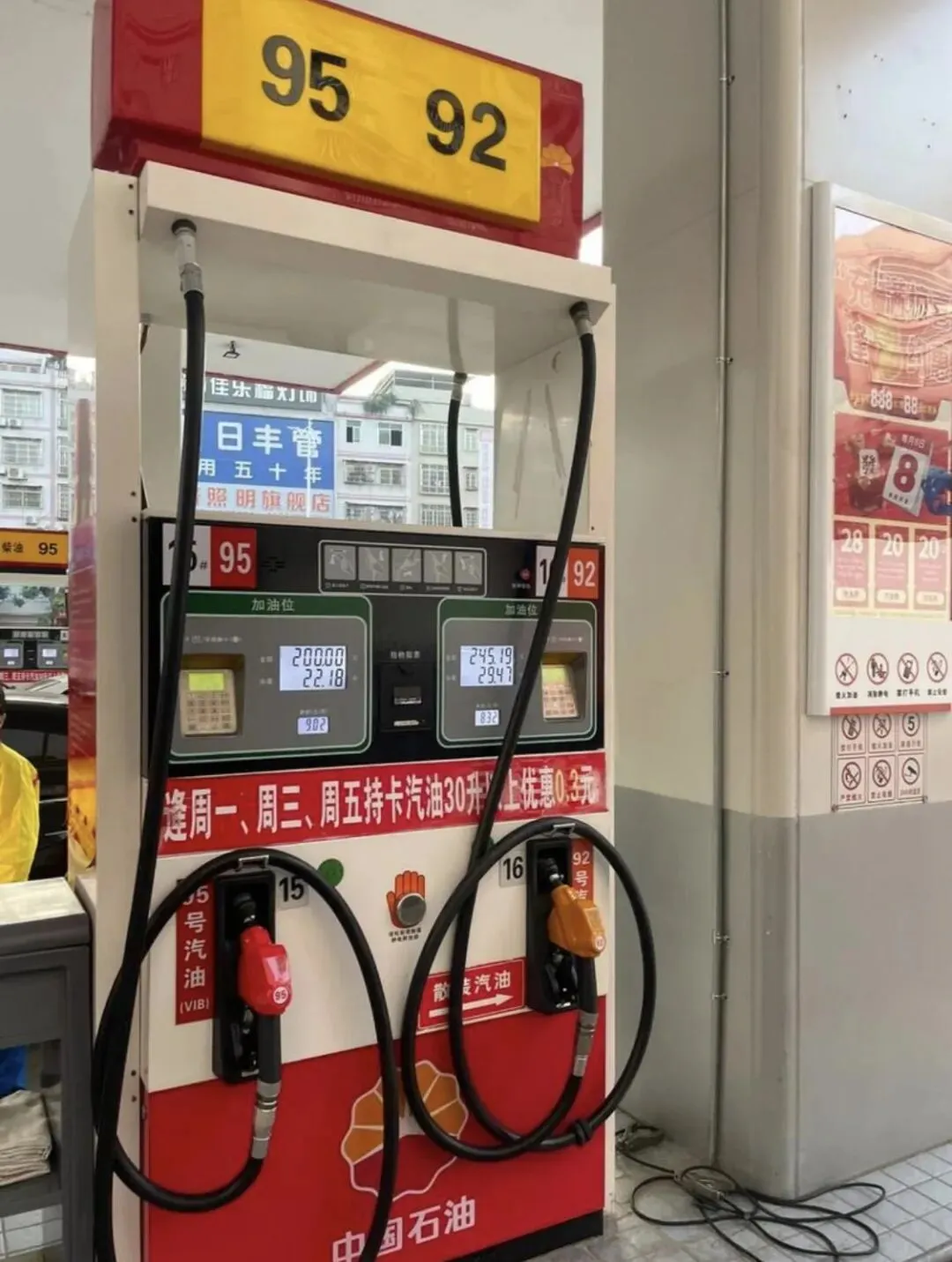
Energy market volatility has spilled over into the global economy, driving inflation and raising living costs. Higher fuel prices have increased expenses for transportation, manufacturing, and agriculture. In some countries, rising prices of daily necessities like bread and cooking oil have forced governments to consider subsidies or rationing. The IEA estimates that high oil prices could reduce global economic growth by 0.5% in 2026.
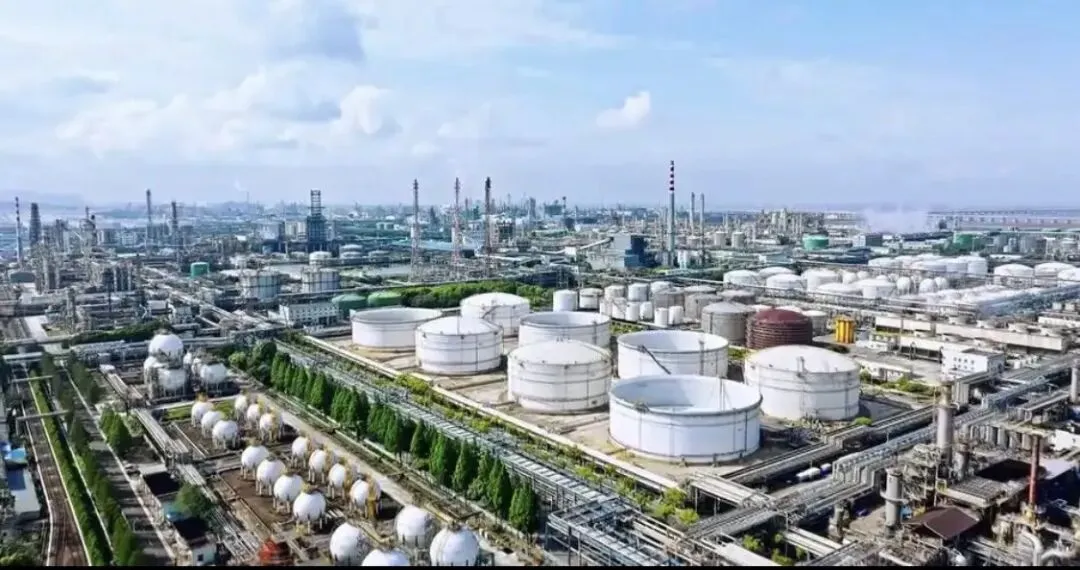
Against this backdrop, China is accelerating its energy transition while ensuring supply security. The country has promoted clean energy development and advanced oil and gas exploration and production projects. In April 2026, China National Offshore Oil Corporation (CNOOC) launched its first offshore carbon capture, utilization and storage (CCUS) project at the Dongfang 1-1 Gas Field, which will store over 1 million tons of CO₂ annually upon full operation. Such efforts aim to balance energy demand with carbon reduction goals.
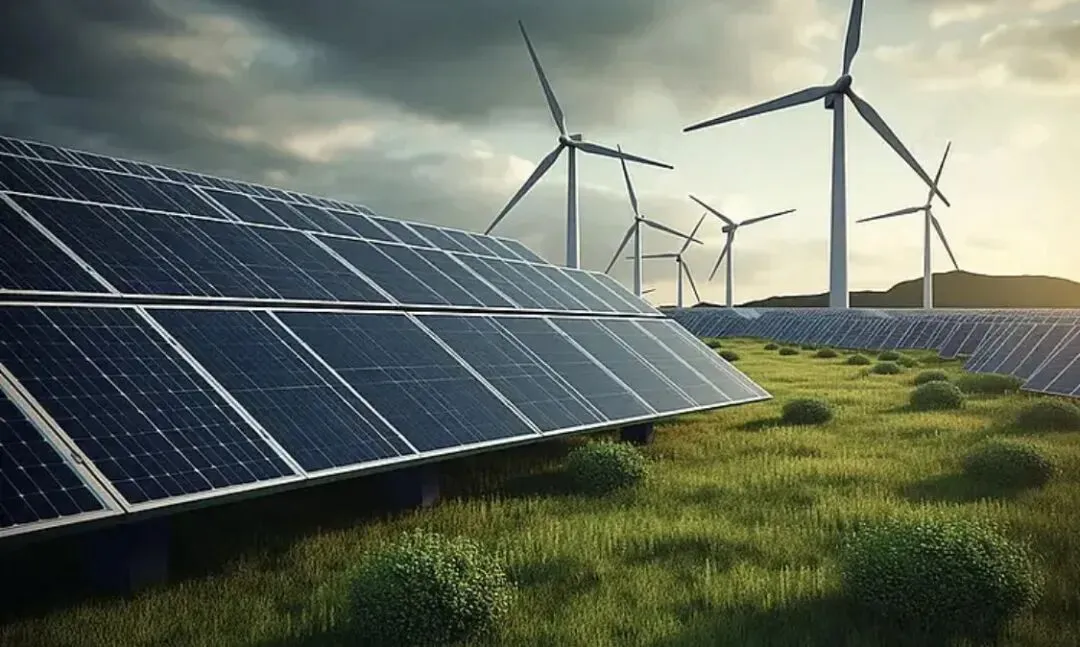
The current oil and gas crisis highlights the urgency of global energy cooperation and transition. While traditional fossil fuels remain vital for global economic stability, countries must strengthen dialogue to resolve geopolitical disputes and avoid supply disruptions. Meanwhile, accelerating the shift to renewable energy and improving energy efficiency will help reduce reliance on fossil fuels and enhance long-term energy security.
当前油气危机凸显了全球能源合作与转型的紧迫性。尽管传统化石能源对全球经济稳定至关重要,但各国需加强对话,和平解决地缘政治分歧,避免能源供应中断。同时,加快可再生能源发展、提升能源利用效率,将有助于降低对化石能源的依赖,增强长期能源安全。
核心词汇积累
1. Geopolitical tensions [ˌdʒiːəʊpəˈlɪtɪkl ˈtenʃnz] 地缘政治紧张局势
2. Strait of Hormuz [streɪt ɒv hɔːˈmuːz] 霍尔木兹海峡
3. LNG (Liquefied Natural Gas) 液化天然气
4. Brent crude futures 布伦特原油期货
5. Supply chain disruptions 供应链中断
6. Energy security 能源安全
7. Carbon capture, utilization and storage (CCUS) 二氧化碳捕集、利用与封存
8. Renewable energy 可再生能源
👇关注我,明天继续一起打卡学
💛点赞 + 在看,就是最好的鼓励
关注「英语日常记」
每天3分钟,用热点轻松学英语,
单词、句子、发音一次学会,越坚持越优秀!