全球化工市场要情 2026年第9期(总33期)
—
昆
仑
资
讯
—
全球化工市场要情
Global Chemical Market Highlights
2026年第9期(总33期)
Issue #9, 2026 (Total 33)
中文版
一、
全球化工市场要情
01
Yeochun NCC关停其石脑油裂解装置
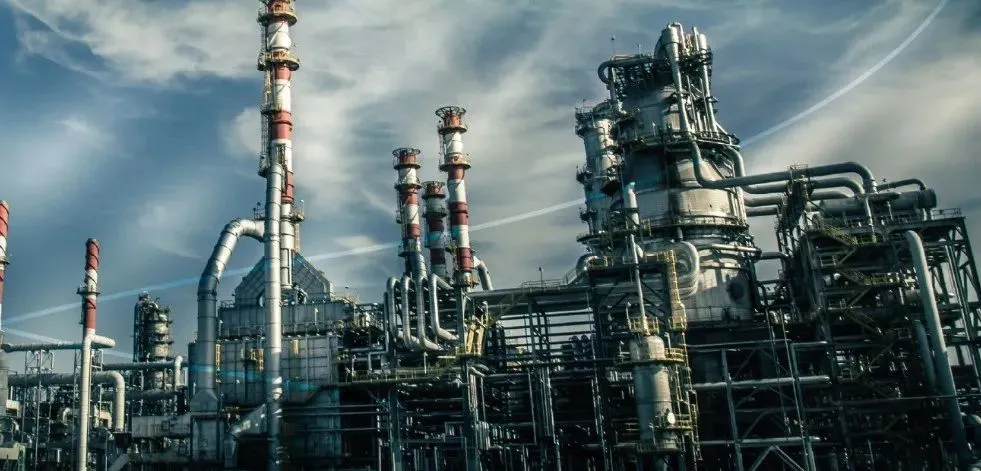
近日,韩国乙烯生产商Yeochun NCC (YNCC)决定永久关闭位于韩国丽水的第2和第3号石脑油裂解装置,这将使公司乙烯产量减少了60%。YNCC已于3月6日向韩国政府提交了重组计划,关停位于丽水工厂年产能分别为90万吨和50万吨的两套装置,YNCC的乙烯年产能将从230万吨降至约90万吨。韩国政府的目标是乙烯年产能自愿削减270万吨~370万吨,目前总产能约为1470万吨。同时,乐天化学最近通过关闭大山工厂一座年产能为110万吨的裂解装置的计划。
02
全球化工产业链受重挫
近日,中东冲突使霍尔木兹海峡通行受阻,全球油气、化工品运输体系受到严重冲击,化工产业链上下游承压,行业迎来被动调整。伊朗革命卫队封锁海峡后,保险公司撤保、船东避险,通行量锐减。中东能源基础设施遇袭,卡塔尔宣布不可抗力,伊拉克油田产量暴跌,油气价格大幅上涨,亚洲现货LNG价格翻倍,运费涨幅达650%,全球石化装置减产。此前全球化工行业开工率低、供应链调整难,部分亚洲国家暂停化学品出口保供,欧洲裂解装置受原料成本冲击严重,行业调整压力持续加大。
03
印度石化企业陷原料短缺危机
近日,印度石油和天然气部发布强制指令,要求境内炼油企业将丙烷、丁烷优先用于民用液化石油气生产,且专供三大国有石油销售公司。这引发印度石化行业原料短缺危机,冲击上下游化工装置运行。因丙烷、丁烷供应转向,丙烯原料供应中断,印度多家苯酚、丙酮、异丙醇生产企业削减开工负荷,印度斯坦有机化工公司关停丙烯回收装置,降负荷运行苯酚和异丙苯装置,其余下游装置将陆续停车,部分企业面临宣布不可抗力风险。此外,聚合物产业也受到重创,聚丙烯产业链冲击显著,印度国有聚丙烯生产商开工负荷预计降低30%-40%,非一体化企业面临石脑油价格暴涨压力,生产无经济性。
二、
主要化工产品市场动态

石脑油CFR日本上涨21.2%至1032.2美元/吨
装置及市场动态:本周,亚洲石脑油市场延续上涨态势,核心原因在于霍尔木兹海峡通行受阻导致供应减少,霍尔木兹海峡受阻引发中东供应中断,造成亚洲石脑油市场短缺。尽管欧美至亚洲的套利交易窗口已开启,但仅靠套利船货仍难以填补供应缺口,同时替代性原料如液化气价格大幅上涨且市场供应紧张。
乙烯CFR东北亚上涨7.7%至1400美元/吨
装置及市场动态:本周,亚洲乙烯市场继续呈现上涨态势。中东冲突引发石脑油供应短缺,叠加日韩装置降负停产,导致乙烯现货货源近乎枯竭;同时,受不可抗力影响,部分长约合同供应量被削减,区域供应持续偏紧,全周累计涨幅显著。市场交投相对谨慎,尽管市场对4月船货仍有采购意愿,但实单成交有限。美国替代货源仅能提供5月中下旬船期,难以填补4月供应缺口。
纯苯FOB韩国上涨3.8%至1069.3美元/吨
装置及市场动态:本周,亚洲市场先扬后抑,欧洲市场先抑后扬,美国市场强势攀升。亚洲市场:周期初期,受原油和石脑油需求旺盛支撑,纯苯价格大幅走高;后半段,原油价格回落,区域内供应紧张缓解,看空情绪升温,价格承压。欧美市场:欧洲市场业者先观望库存供应,报价下调,后受上游原料带动,纯苯价格反弹;美国市场受地缘风险扰动,中东局势推升原油成本,纯苯价格上行。
对二甲苯CFR中国上涨9.3%至1280美元/吨
装置及市场动态:本周,亚洲PX市场呈现先扬后抑走势。周初,市场对原油供应紧张的担忧犹存,原料石脑油价格大幅走高,PX期货市场随之强势拉涨,主力期货合约最高触及10600元/吨。不过,国内PX装置除检修产能外,整体降负幅度有限;同时下游PTA开工率有所下滑,终端需求跟进表现一般,市场情绪受到抑制,下半周PX市场逐步回落。
English Version
Ⅰ、
Global Chemical Market Brief
01
Yeochun NCC shuts down its naphtha cracking units
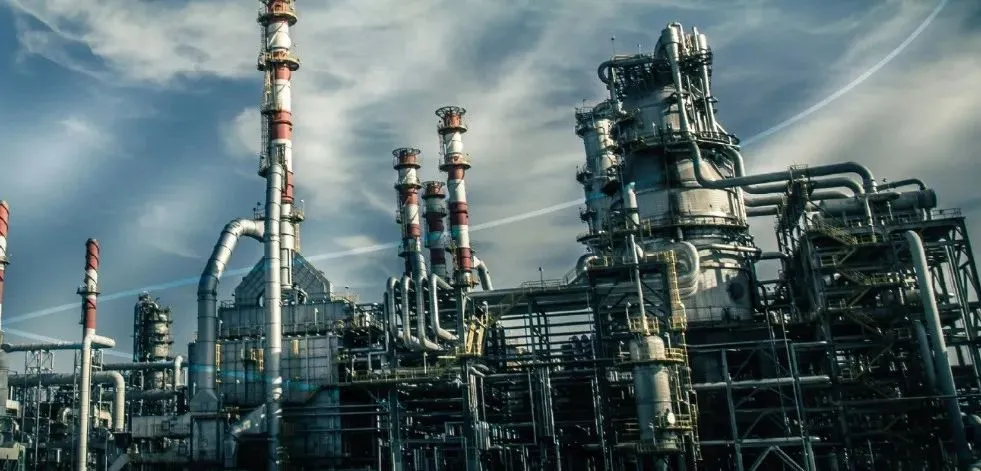
Recently, South Korean ethylene producer Yeochun NCC (YNCC) decided to permanently close its No. 2 and No. 3 naphtha cracking units in Yeosu, reducing the company’s ethylene production by 60%. YNCC submitted a restructuring plan to the South Korean government on March 6, which involves shutting down two units at its Yeosu plant with annual capacities of 900,000 tons and 500,000 tons respectively. As a result, YNCC’s annual ethylene production capacity will drop from 2.3 million tons to approximately 900,000 tons. The South Korean government aims to achieve a voluntary reduction in ethylene production capacity of 2.7 million to 3.7 million tons per year, with the current total capacity standing at around 14.7 million tons. Meanwhile, Lotte Chemical recently announced plans to shut down a 1.1 million-ton-per-year cracking unit at its Daesan plant.
02
Severe Setbacks for the Global Chemical Industry Chain
Recently, the conflict in the Middle East has disrupted navigation through the Strait of Hormuz, delivering a heavy blow to the global transportation system for oil, gas and chemical products. Both upstream and downstream links of the chemical industry chain are under pressure, forcing an industry-wide restructuring. After the Islamic Revolutionary Guard Corps of Iran closed the strait, insurance companies withdrew coverage and shipowners evaded risks, leading to a drastic plunge in navigation volume. Energy infrastructure in the Middle East has come under attack: Qatar has declared force majeure, oilfield output in Iraq has plummeted, and oil and gas prices have surged sharply. Spot LNG prices in Asia have doubled, freight rates have soared by 650%, and petrochemical plants worldwide have cut production. Prior to this, the global chemical industry had been plagued by low operating rates and difficult supply chain adjustments. Some Asian countries have suspended chemical exports to ensure domestic supply, while European cracking plants are reeling from surging raw material costs, keeping the industry under sustained restructuring pressure.
03
Indian Petrochemical Enterprises Mired in Raw Material Shortage Crisis
Recently, India’s Ministry of Petroleum and Natural Gas has issued a mandatory order requiring domestic refineries to prioritize propane and butane for the production of civil liquefied petroleum gas (LPG), with exclusive supply to the country’s three major state-owned oil marketing companies. This has triggered a raw material shortage crisis in India’s petrochemical industry, disrupting the operation of upstream and downstream chemical plants. With the supply of propane and butane redirected, propylene feedstock supply has been cut off. Many Indian manufacturers of phenol, acetone and isopropanol have slashed operating rates. Hindustan Organic Chemicals Limited has shut down its propylene recovery unit and is operating its phenol and cumene units at reduced load; other downstream units will be shut down one after another, and some enterprises are at risk of declaring force majeure. In addition, the polymer industry has been hard hit, with the polypropylene industrial chain suffering a notable impact. Operating rates at India’s state-owned polypropylene producers are expected to drop by 30% to 40%. Non-integrated enterprises are grappling with skyrocketing naphtha prices, making production economically unviable.
Ⅱ、
Market Dynamics of Major Chemical Products

Naphtha CFR Japan rose by 21.2% to $1032.2/ton
Plant and Market Dynamics: This week, the Asian naphtha market extended its uptrend, driven primarily by tight supply due to disrupted passage through the Strait of Hormuz and subsequent supply cuts from the Middle East, leading to a market shortage in Asia. Although the arbitrage window from Europe and the US to Asia has opened, arbitrage cargoes alone are insufficient to fill the supply gap. Meanwhile, prices of alternative feedstocks such as liquefied petroleum gas (LPG) have surged sharply amid tight market supply.
Ethylene CFR Northeast Asia rose by 7.7% to $1400/ton
Plant and Market Dynamics:This week, the Asian ethylene market saw a sustained strong uptrend. Conflicts in the Middle East led to a shortage of naphtha supply, coupled with reduced operating rates and shutdowns of ethylene plants in Japan and South Korea, resulting in an almost complete depletion of spot ethylene cargoes. Meanwhile, some long-term contract volumes were cut due to force majeure, keeping regional supply tight and driving a significant cumulative price increase for the week. Market trading was relatively cautious: despite ongoing purchasing interest for April cargoes, physical transactions remained limited. Alternative US cargoes are only available for mid-to-late May shipment, unable to fill the April supply gap.
Benzene FOB South Korea rose by 3.8% to $1069.3/ton
Plant and Market Dynamics: This week, the Asian market rose first then declined, the European market declined first then rebounded, and the US market climbed strongly. In Asia, pure benzene prices surged early in the week supported by robust demand for crude oil and naphtha; in the second half, prices came under pressure as crude oil prices pulled back, regional supply tightness eased and bearish sentiment mounted. In Europe and the US: European traders initially cut offers while waiting on inventory and supply conditions, then pure benzene prices rebounded driven by upstream feedstocks; in the US, prices moved up as geopolitical risks and Middle East tensions pushed up crude oil costs.
Paraxylene CFR China rose by 9.3% to $1280/ton
Plant and Market Dynamics:This week, the Asian PX market rose first then declined. Early in the week, lingering fears over tight crude oil supply and a sharp rise in feedstock naphtha prices drove a strong rally in the PX futures market, with the front-month futures contract hitting a high of RMB 10,600 per ton. However, domestic PX plants saw limited production cuts except for maintenance capacity; meanwhile, operating rates of downstream PTA plants declined and terminal demand follow-up was moderate, dampening market sentiment and pushing the PX market lower in the second half of the week.