社交媒体疯传 “万能多肽”,灰色市场暗藏安全风险
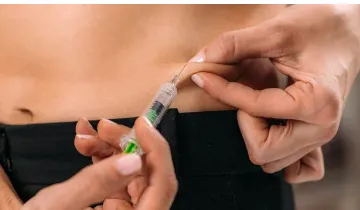
Across social media, peptides are promoted as a near-miracle solution for DNA repair, anti-aging, pain relief and faster healing, drawing massive online attention with millions of searches and hundreds of thousands of posts. While the human body naturally produces peptides and some FDA-approved versions exist in medications and skincare, most viral varieties lack clinical proof or regulatory approval. Experts warn such sweeping health claims are a major red flag, as few products have undergone rigorous human testing.
在各大社交媒体上,多肽被宣传为近乎万能的解决方案,可修复 DNA、抗衰老、缓解疼痛并加速愈合,引发海量网络关注,相关搜索量达数百万,帖子数量数十万。尽管人体会自然生成多肽,且部分获美国食药监局批准的多肽用于药物与护肤品,但多数走红的产品既无临床证据,也未获监管批准。专家警示,这类包揽一切的健康宣传是明显危险信号,极少产品经过严格人体试验。
Many unregulated peptides are sold online as research compounds, often through obscure websites with little transparency. Users commonly self-inject these untested substances, with little way to verify purity or contents. Doctors describe the market as a “wild, wild West” gray market, with no reliable standards for safety or effectiveness. Animal studies show some cellular effects, but no conclusive human trials support widespread health claims.
许多不受监管的多肽以科研用品名义在网上销售,平台多信息模糊、透明度极低。用户常自行注射这些未经测试的物质,却无法确认成分与纯度。医生将该市场比作 “无法无天的西部” 灰色地带,缺乏安全与功效标准。动物实验显示多肽对细胞有一定作用,但尚无可靠人体试验证实其广泛保健功效。
Booming popularity stems from demand for quick fixes to complex health issues, amplified by social media algorithms. Support from public figures has further boosted interest, raising policy questions about wider access. Experts emphasize real health concerns demand evidence-based care, and unregulated peptide use carries significant hidden risks without proven benefits.
多肽的火爆源于人们渴望用简单方法解决复杂健康问题,再经社交媒体算法放大。公众人物的支持进一步推高热度,也引发了放宽准入后的政策争议。专家强调,真实健康问题需要循证医疗,滥用不受监管的多肽风险极高,且并无确凿功效。